
Growing Pains – When Should I Be Concerned?
Your child is complaining of leg pain, and you put it down to growing pains...
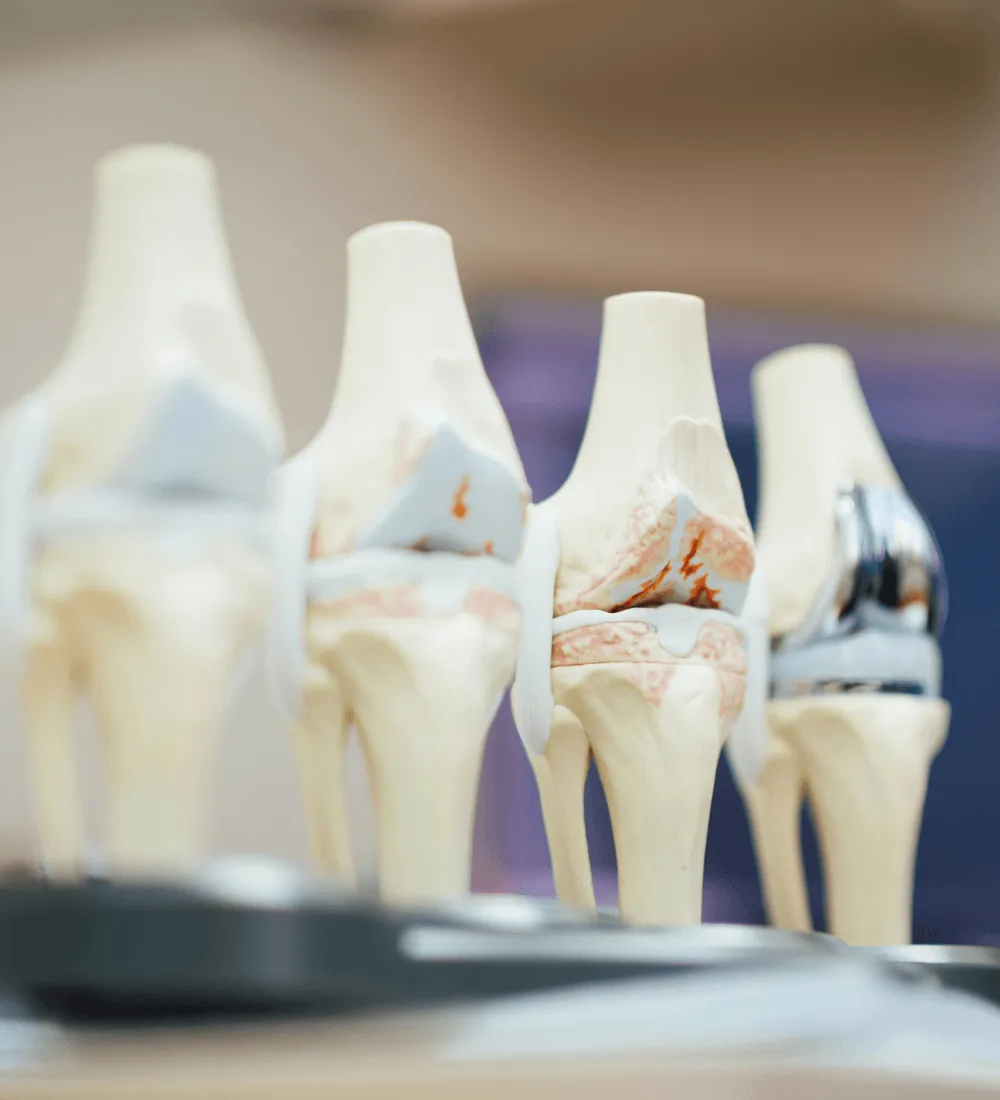
Knee pain in children and adolescents can develop after a sudden sporting injury, repeated activity or during a period of rapid growth. Some conditions settle with appropriate care, while others may require further investigation and specialist treatment.
Because young knees are still developing, an accurate assessment can help families understand the injury and determine the appropriate next steps.
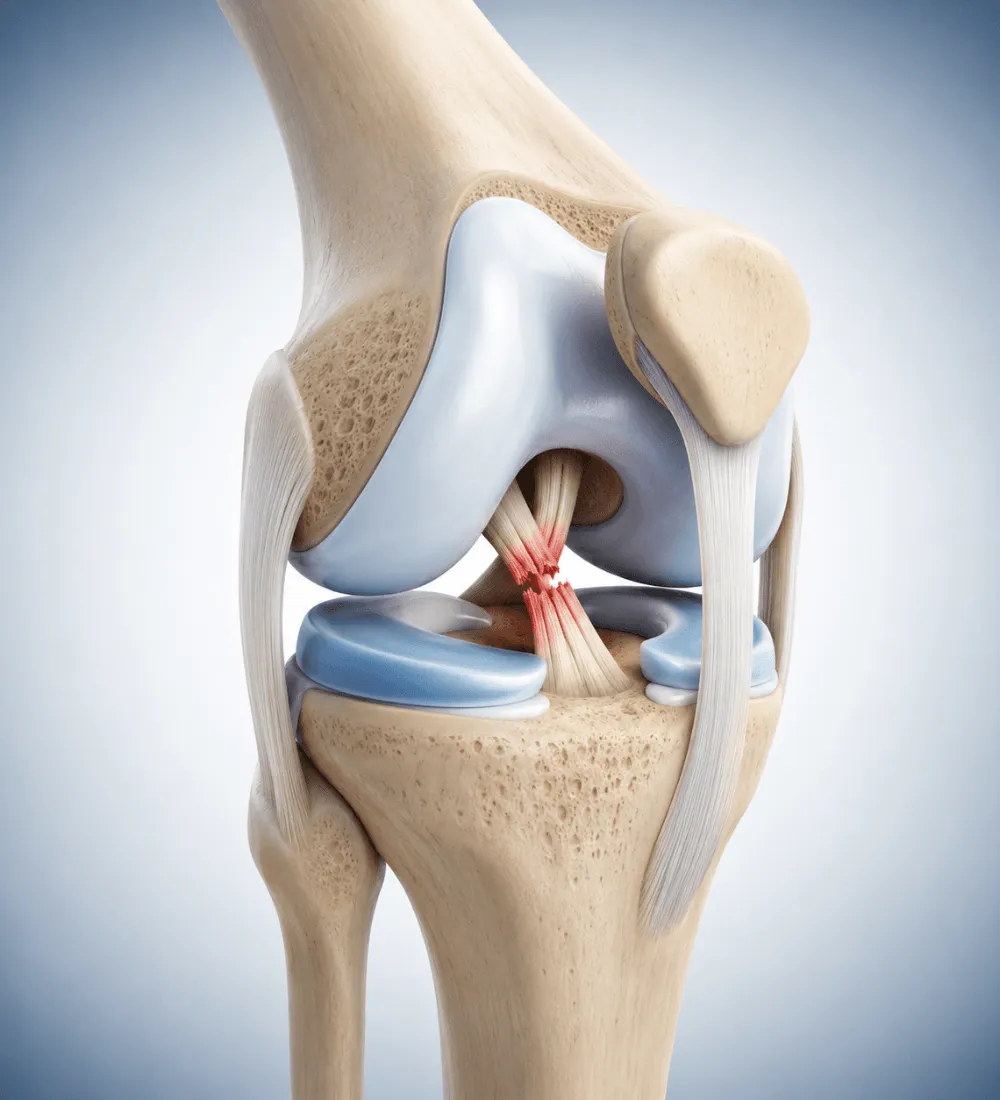
The anterior cruciate ligament, or ACL, is one of the major ligaments that helps stabilise the knee. It may be injured when a young person suddenly changes direction, lands awkwardly or experiences direct contact during sport.
Possible symptoms may include:
A popping sensation at the time of injury
Pain and swelling
Difficulty putting weight on the leg
A feeling that the knee is unstable or giving way
Difficulty returning to sport
Treatment depends on the injury, the young person’s stage of growth, their activity level and their individual circumstances.
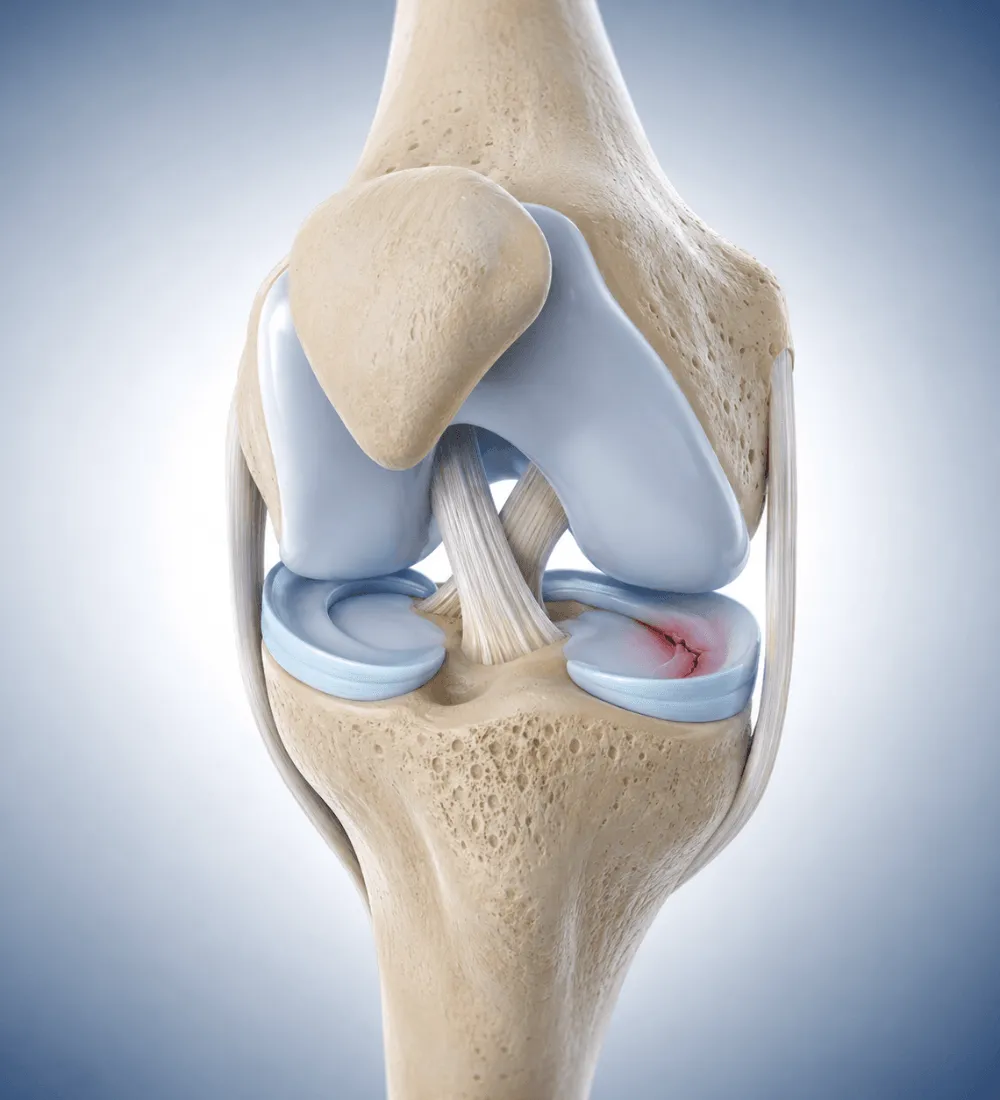
The menisci are two pieces of cartilage that help cushion and support the knee joint. They may be injured during twisting, pivoting or other sporting movements and can sometimes occur alongside an ACL or ligament injury.
Possible symptoms may include:
Pain around the knee joint
Swelling or stiffness
Catching, clicking or locking
Difficulty fully bending or straightening the knee
Pain during twisting or weight-bearing activity
Specialist assessment can help establish the nature of the injury and whether further investigation or treatment may be appropriate.
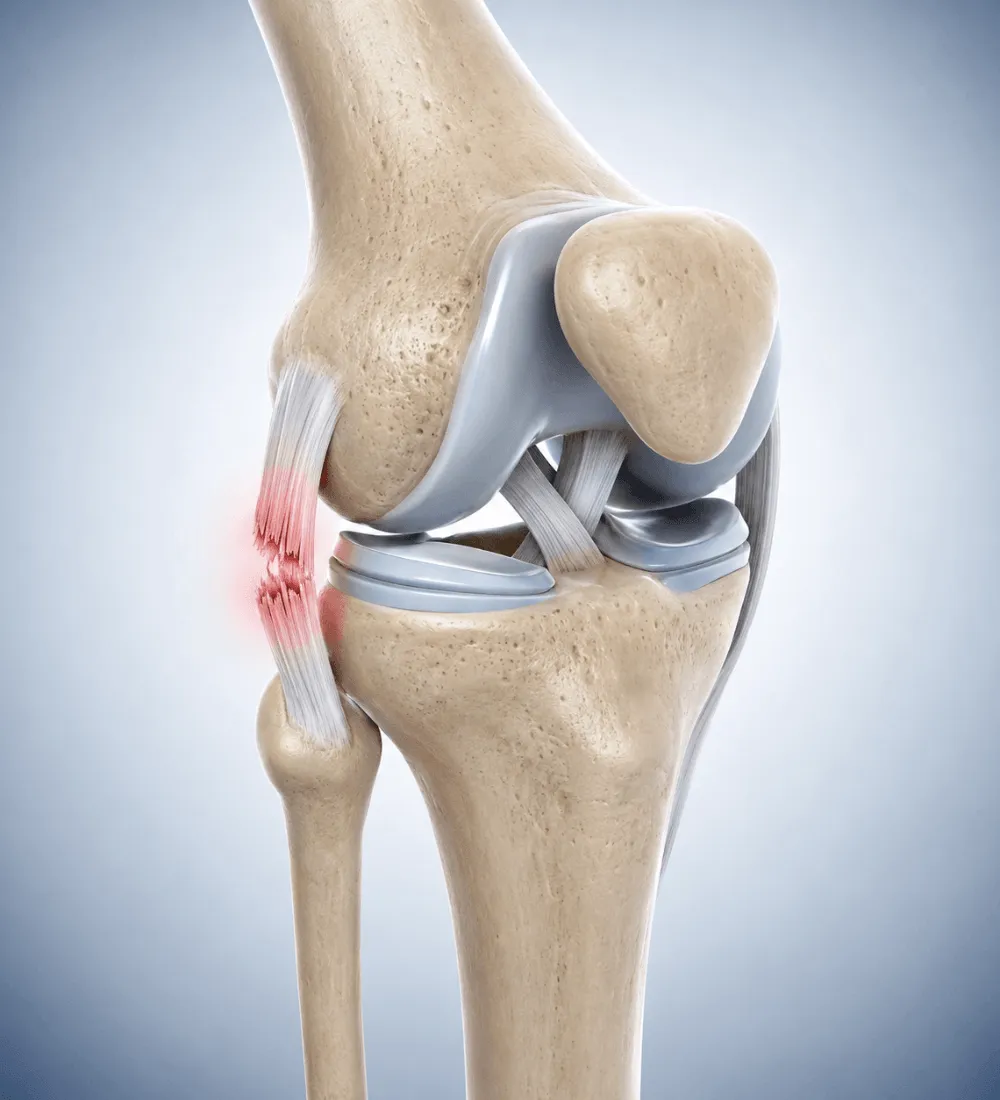
Several ligaments work together to support and stabilise the knee. Sporting collisions, awkward landings and sudden changes of direction can place these structures under significant strain.
Possible symptoms may include:
Pain following an injury
Swelling or tenderness
Reduced movement
Difficulty walking or participating in sport
A feeling of instability
The appropriate care will depend on which ligament has been affected and the extent of the injury.
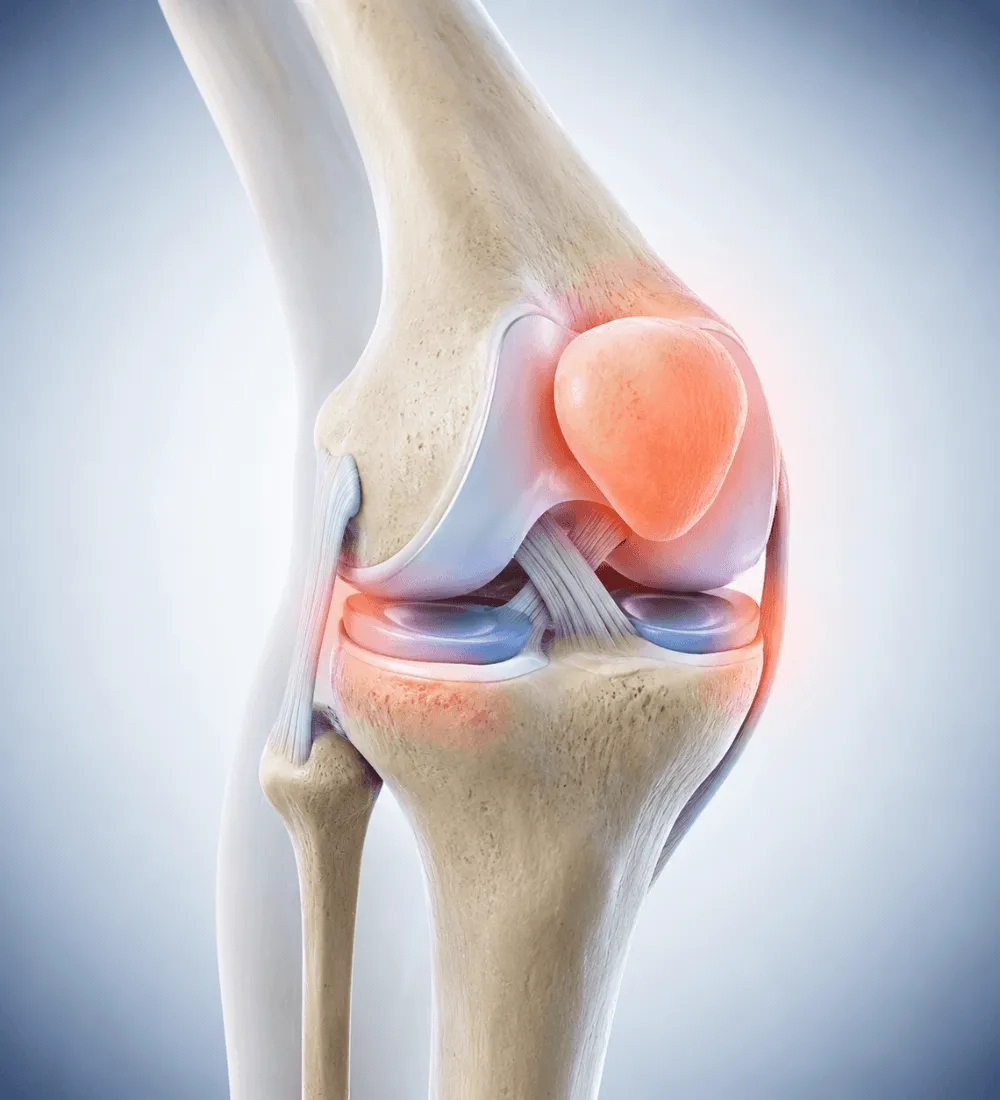
Not every knee problem begins with one clear injury. Pain may develop gradually through repeated activity, changes in training or increased sporting demands.
Specialist assessment may be helpful when pain:
Persists or repeatedly returns
Causes swelling or reduced movement
Affects walking, running or training
Prevents participation in sport
Does not improve with initial rest or rehabilitation
An assessment can help identify the possible cause and guide the young person towards an appropriate care plan.
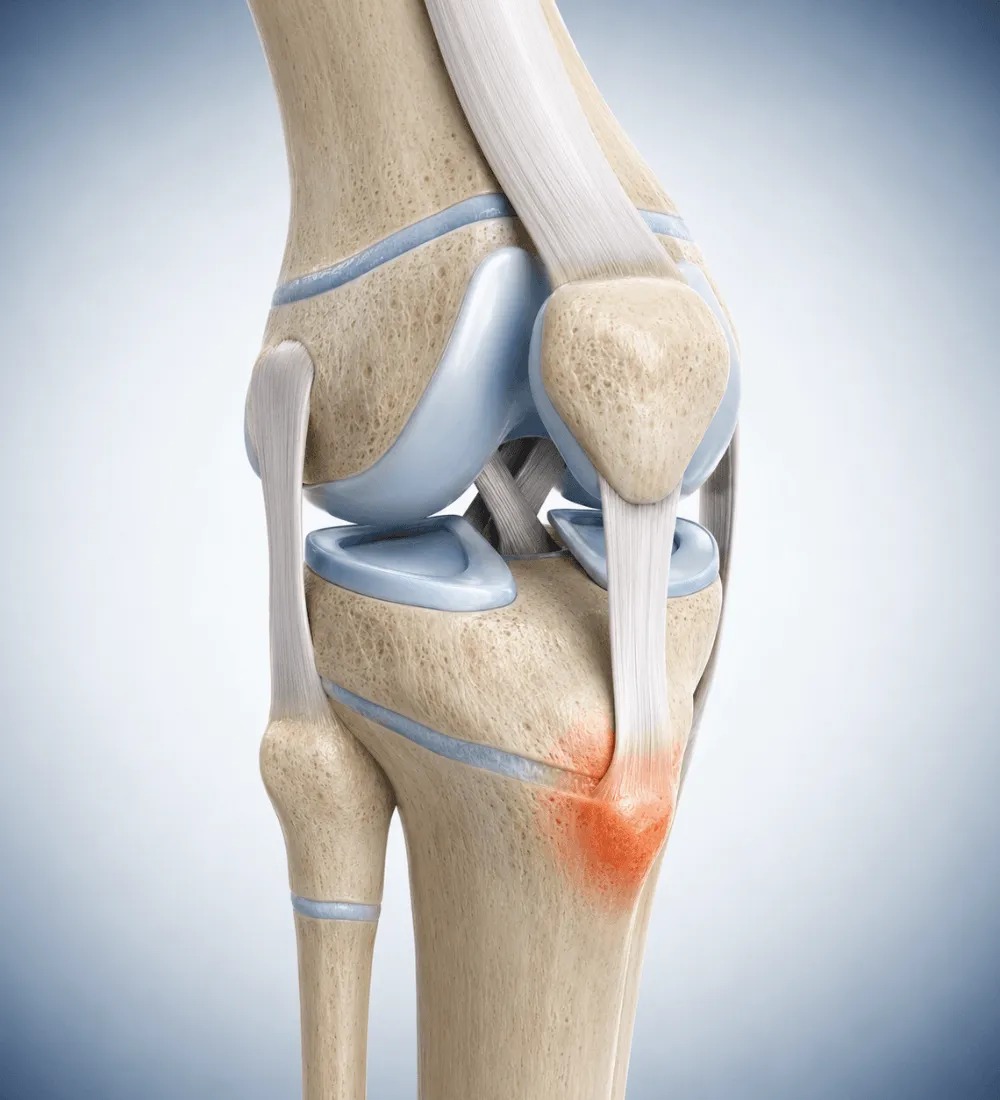
Periods of rapid growth can place additional stress on developing bones, muscles and tendons. Active children and adolescents may experience pain around the knee during these stages.
Growth-related conditions may cause:
Pain during or after activity
Tenderness around or below the kneecap
Discomfort when running, jumping or kneeling
Symptoms that improve with rest but return during sport
Although some growth-related conditions settle over time, persistent or worsening symptoms should be properly assessed.
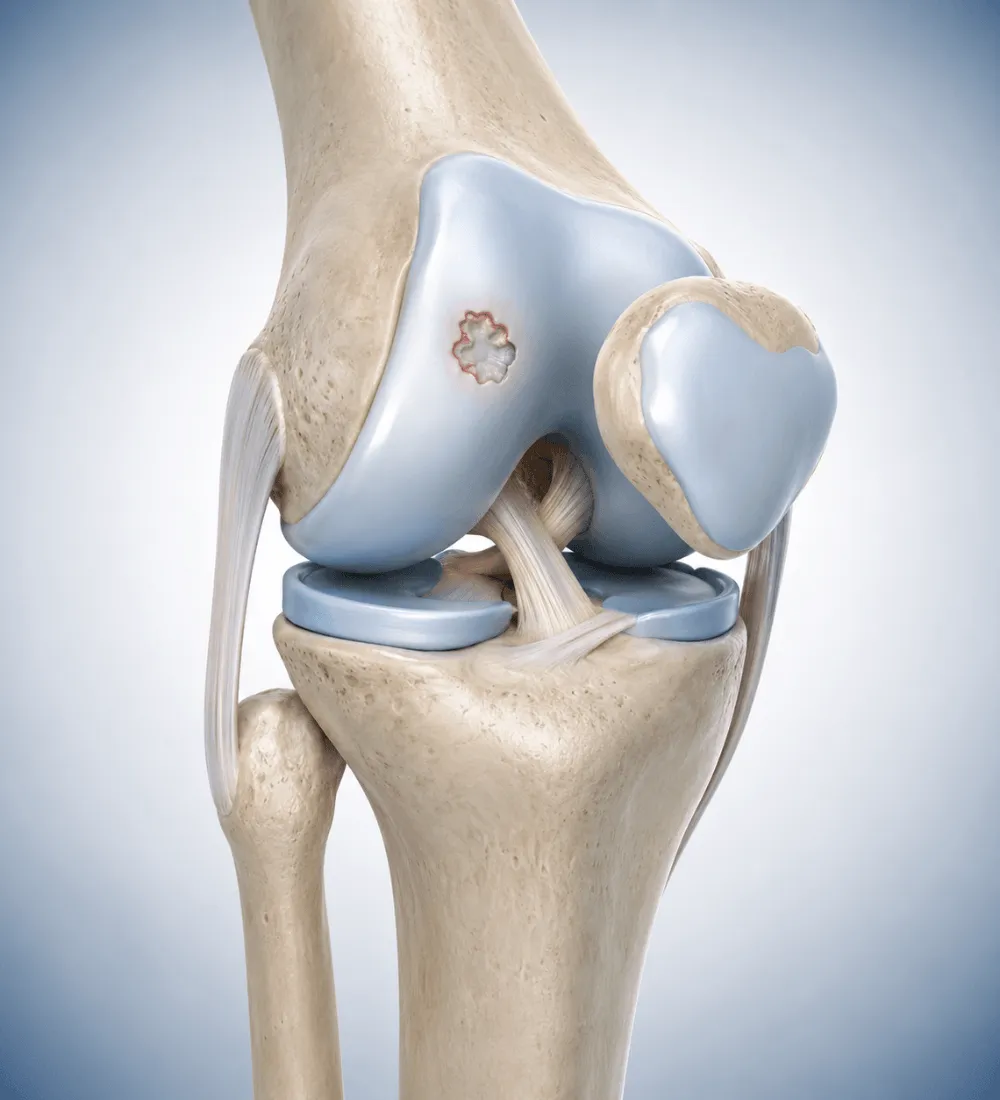
The smooth cartilage covering the surfaces of the knee allows the joint to move comfortably. Injury or damage to this surface may cause pain, swelling or difficulty moving the knee.
Possible symptoms may include:
Persistent pain or swelling
Catching or locking sensations
Reduced movement
Discomfort during weight-bearing activity
Difficulty returning to sport
Specialist assessment and appropriate imaging may be used to better understand the affected area and discuss suitable next steps.
Explore helpful articles about knee injuries in children and adolescents, treatment considerations, recovery and returning safely to sport.
Your child is complaining of leg pain, and you put it down to growing pains...
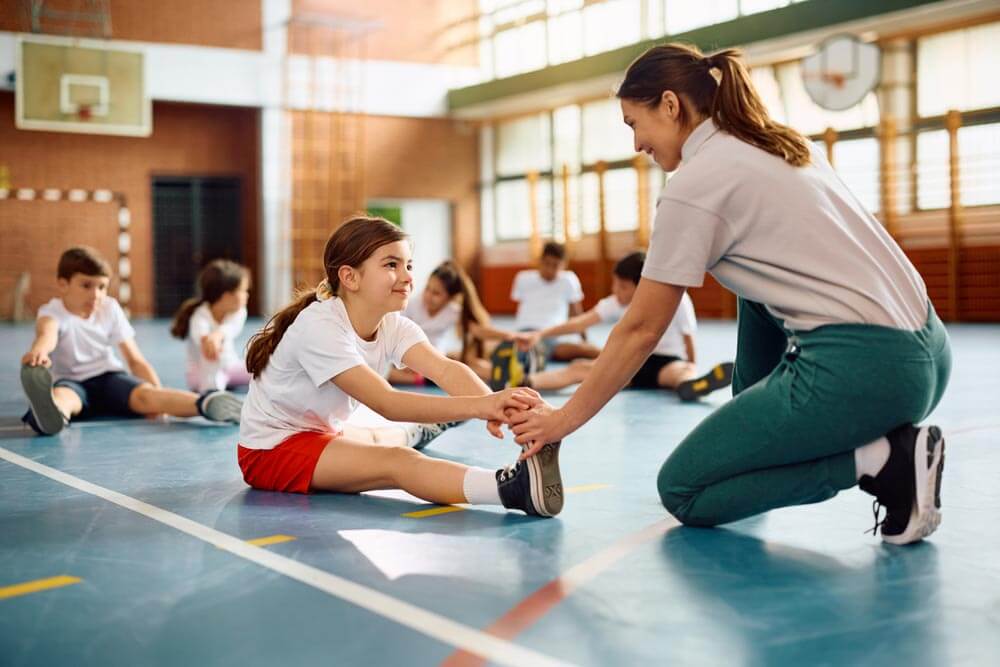
We need to do more to prevent ACL injury in young people, and...
Rates of paediatric and adolescent ACL reconstruction have increased...
If your child is experiencing persistent knee pain, swelling, instability or difficulty returning to sport, specialist guidance can help you understand what may be wrong and what to do next.
Contact the Paediatric Sports Knee Clinic to arrange an assessment and receive clear, considered advice about the appropriate next steps.

Specialist assessment and evidence-led care for children and adolescents with sports-related knee injuries.
Clinic Locations